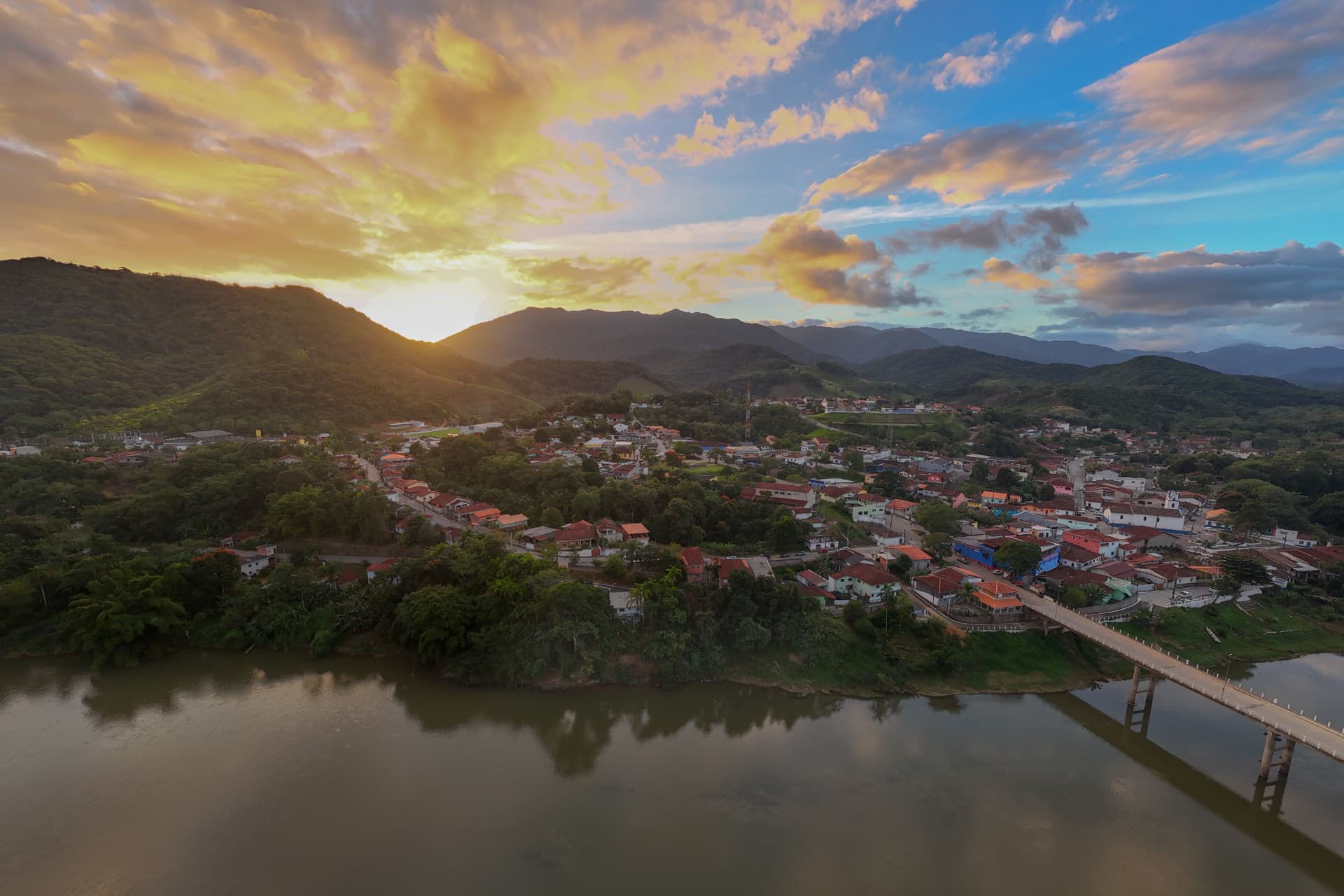
The Ribeira de Iguape is one of the last major rivers in São Paulo state that has never been dammed. That fact alone says something about the Vale do Ribeira — a region that development, for better and worse, passed over. Iporanga sits at the heart of it: a town of roughly four thousand people, where electricity is still intermittent in the outlying areas and the forest closes in fast at the edge of the road.
Field notes
The Ribeira de Iguape expedition
Field Notes — PETAR, Vale do Ribeira
June 7, 2026
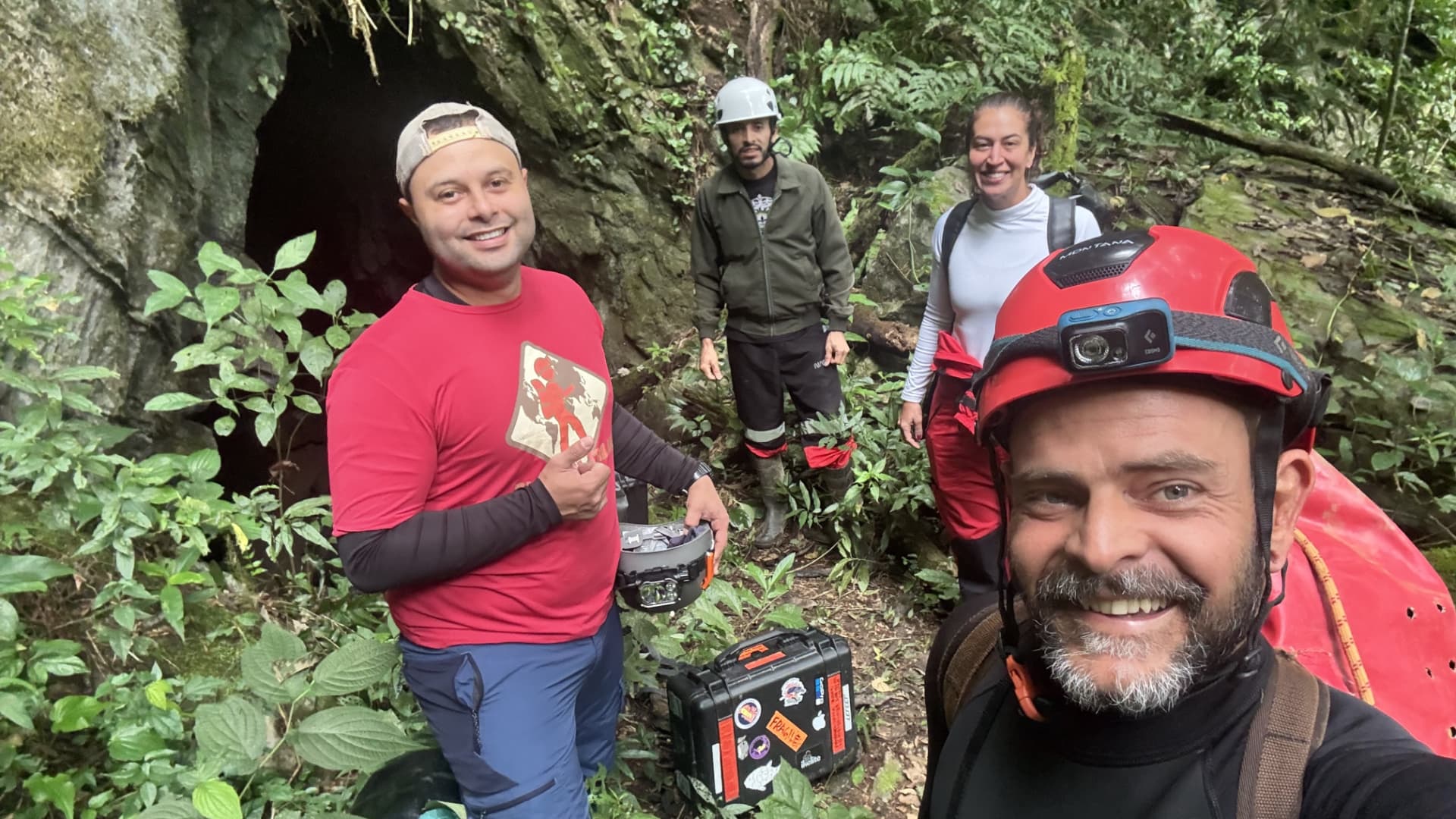
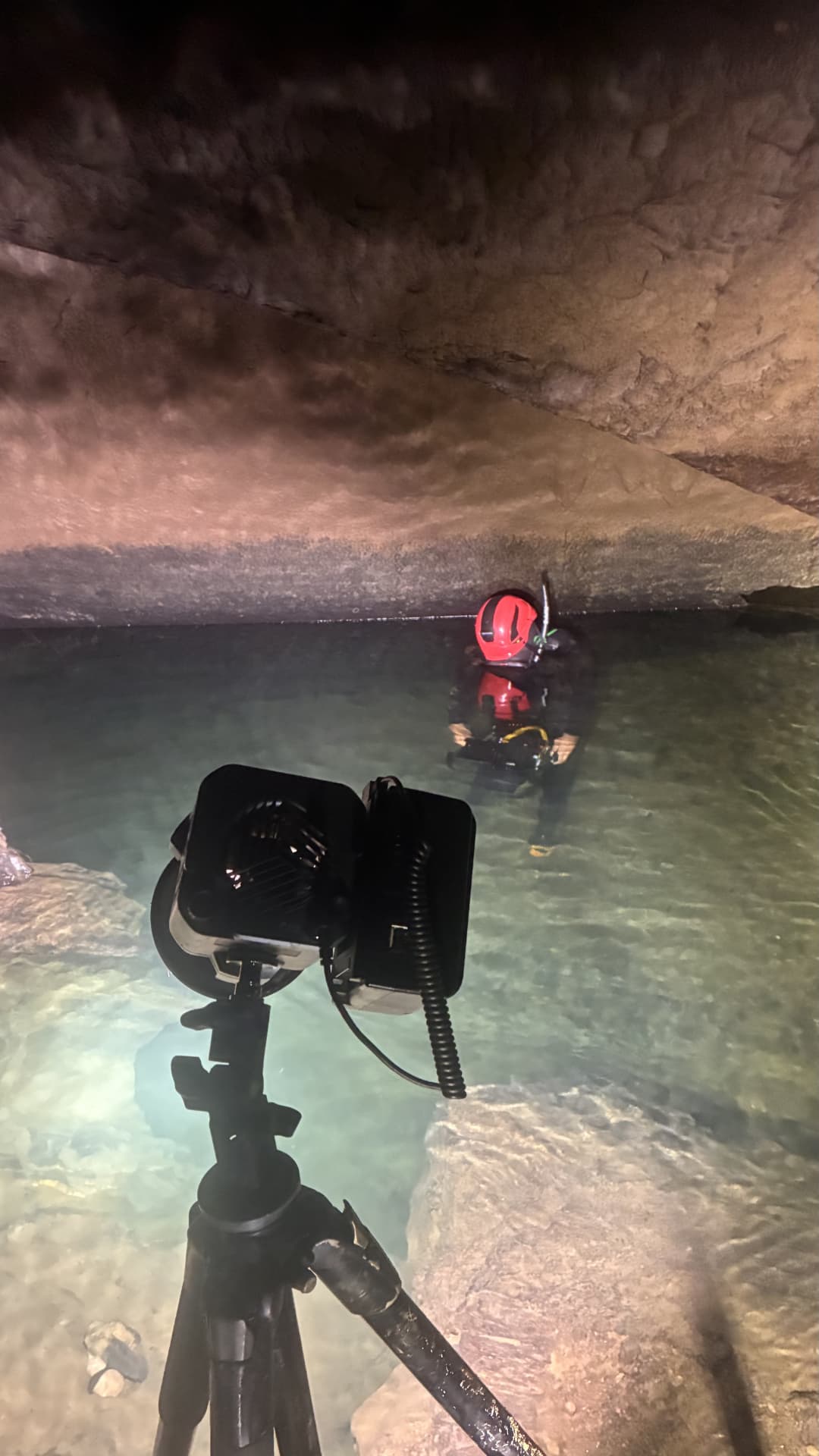
Getting into the cave was its own negotiation. The permits — never before granted to a documentary filmmaker — took months to secure, made possible by a network of researchers and cave specialists who helped make the case. The Resurgência de Bombas had sat largely unvisited for over a decade. The trail had been swallowed back into the forest. Our first morning began with machetes.
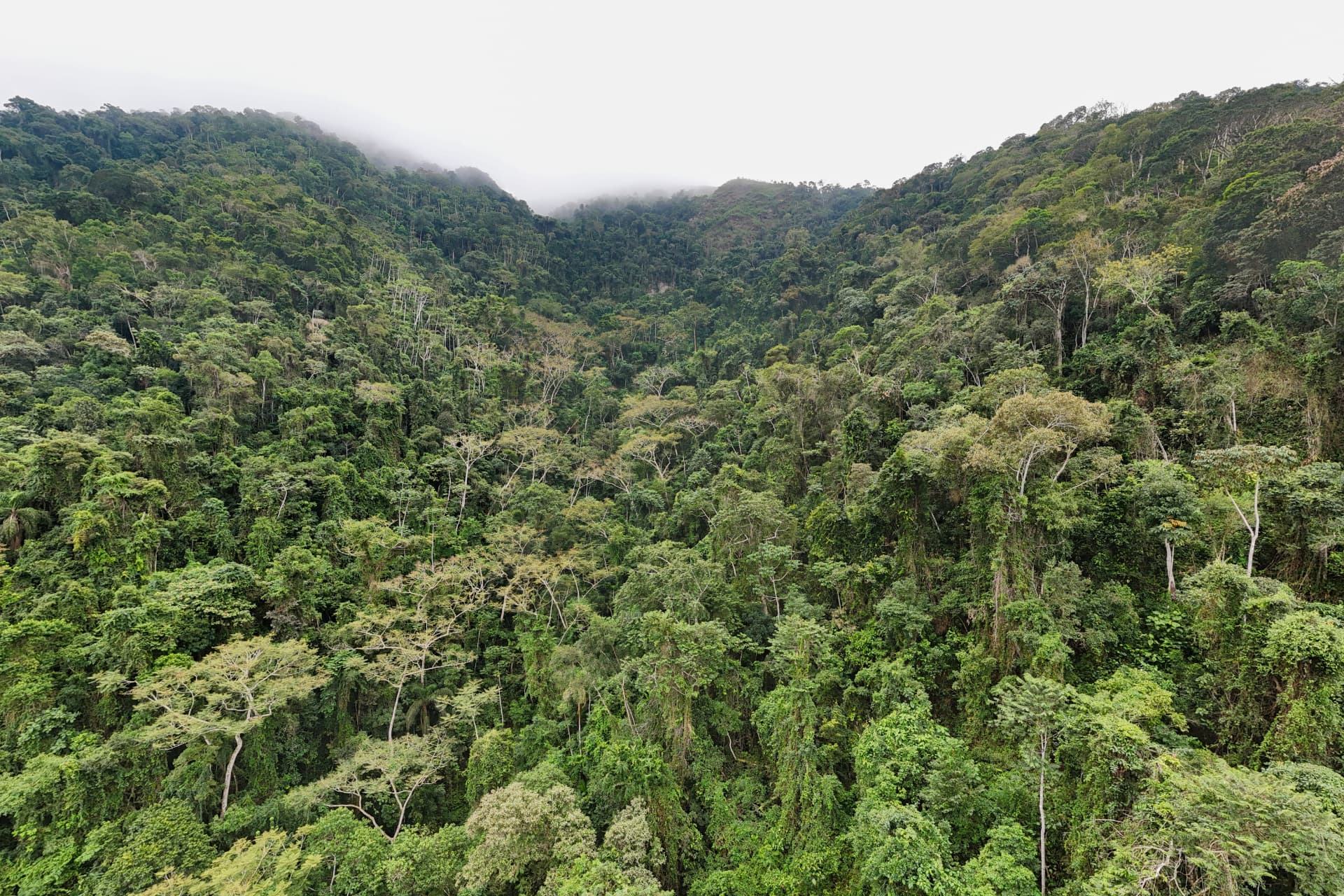
None of this would have been possible without the people who know this land. The Quilombola and other traditional communities of the Vale do Ribeira have lived within and around PETAR for generations — their knowledge and relationship to the forest are inseparable from why the ecosystem is still intact.
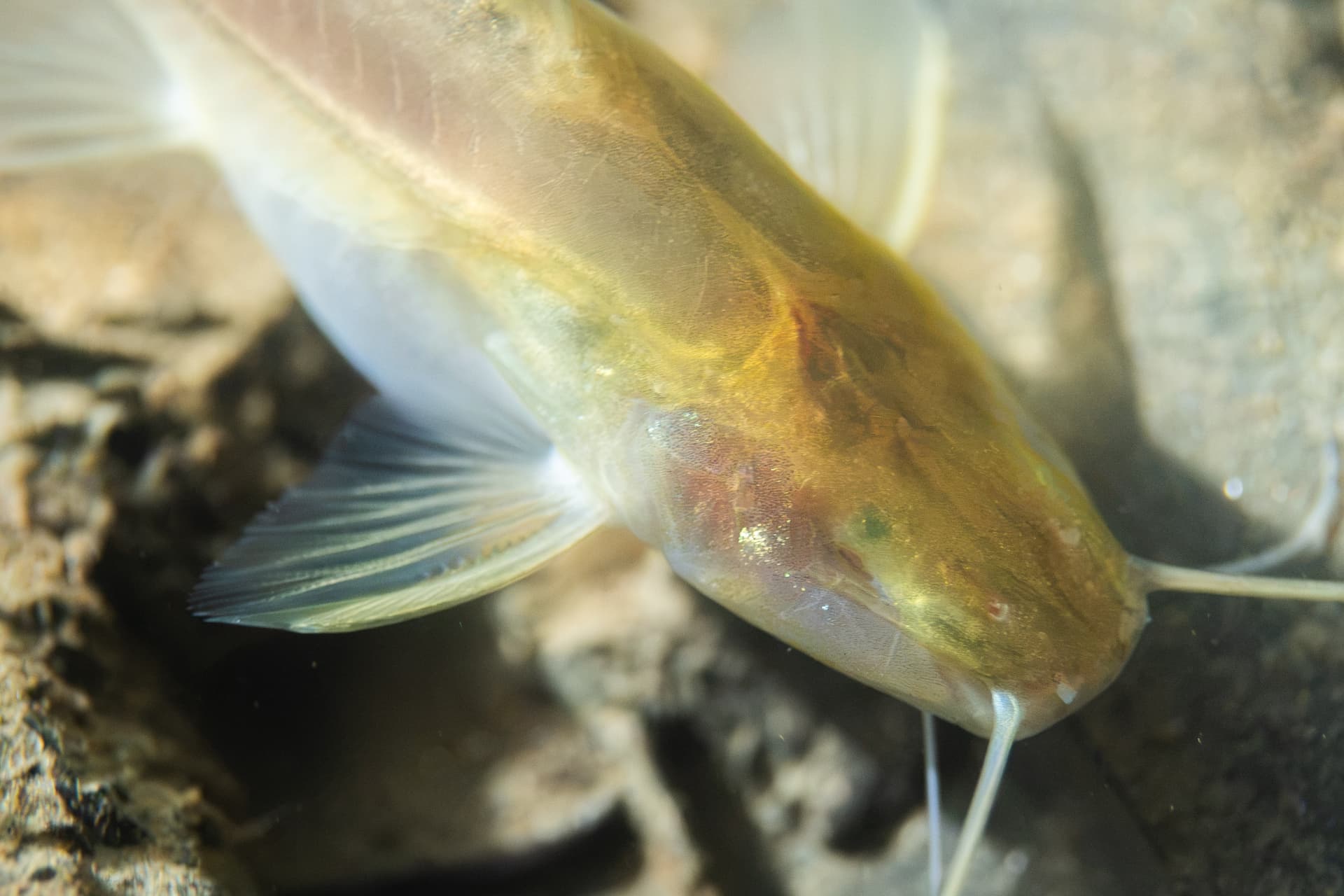
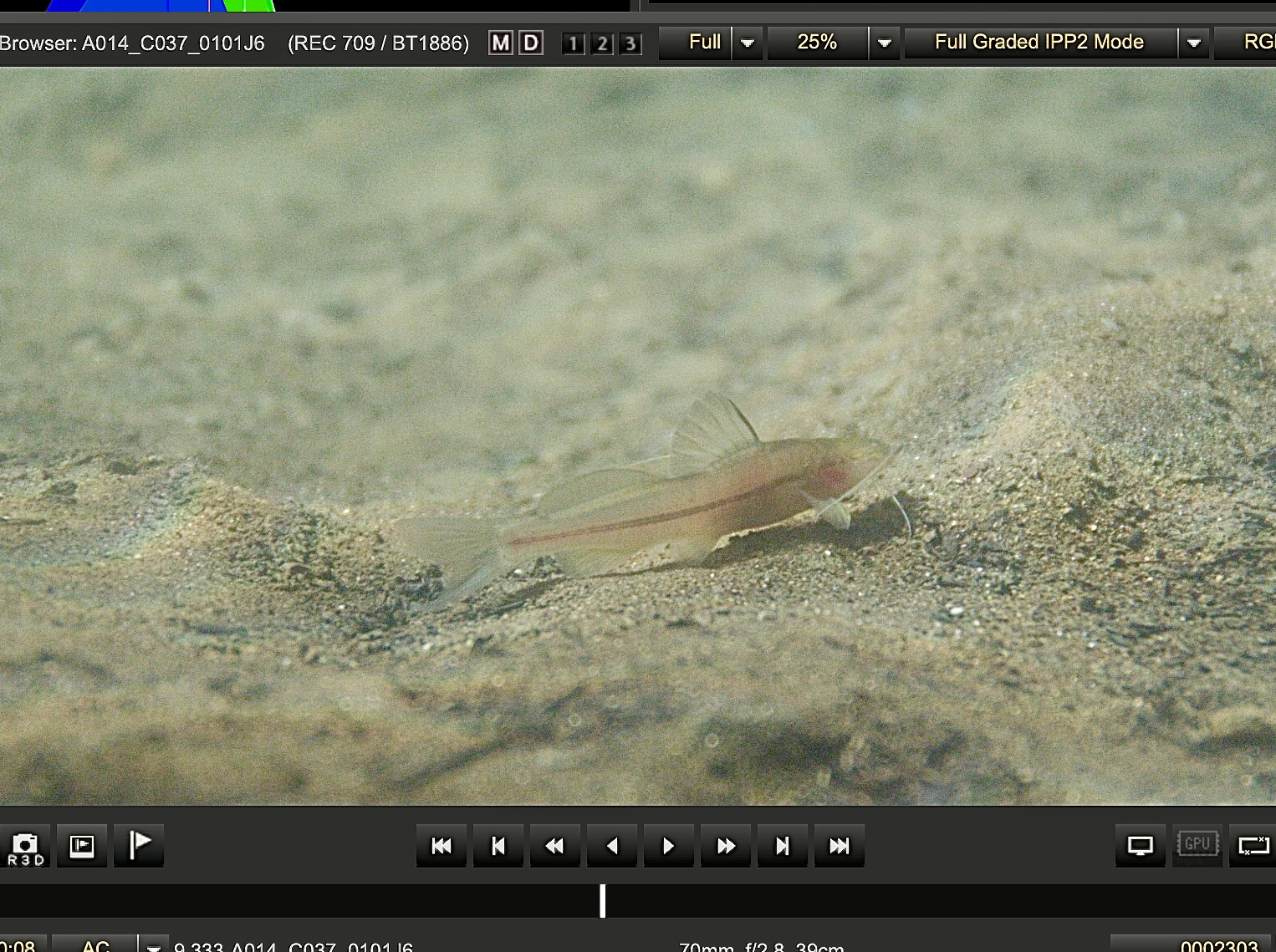
Pimelodella kronei, the Brazilian blind catfish, was first described in 1907. It lives in one place on Earth. It has been studied for decades. And yet no one had ever photographed or filmed it alive in its own habitat — a gap that felt impossible to leave unfilled.
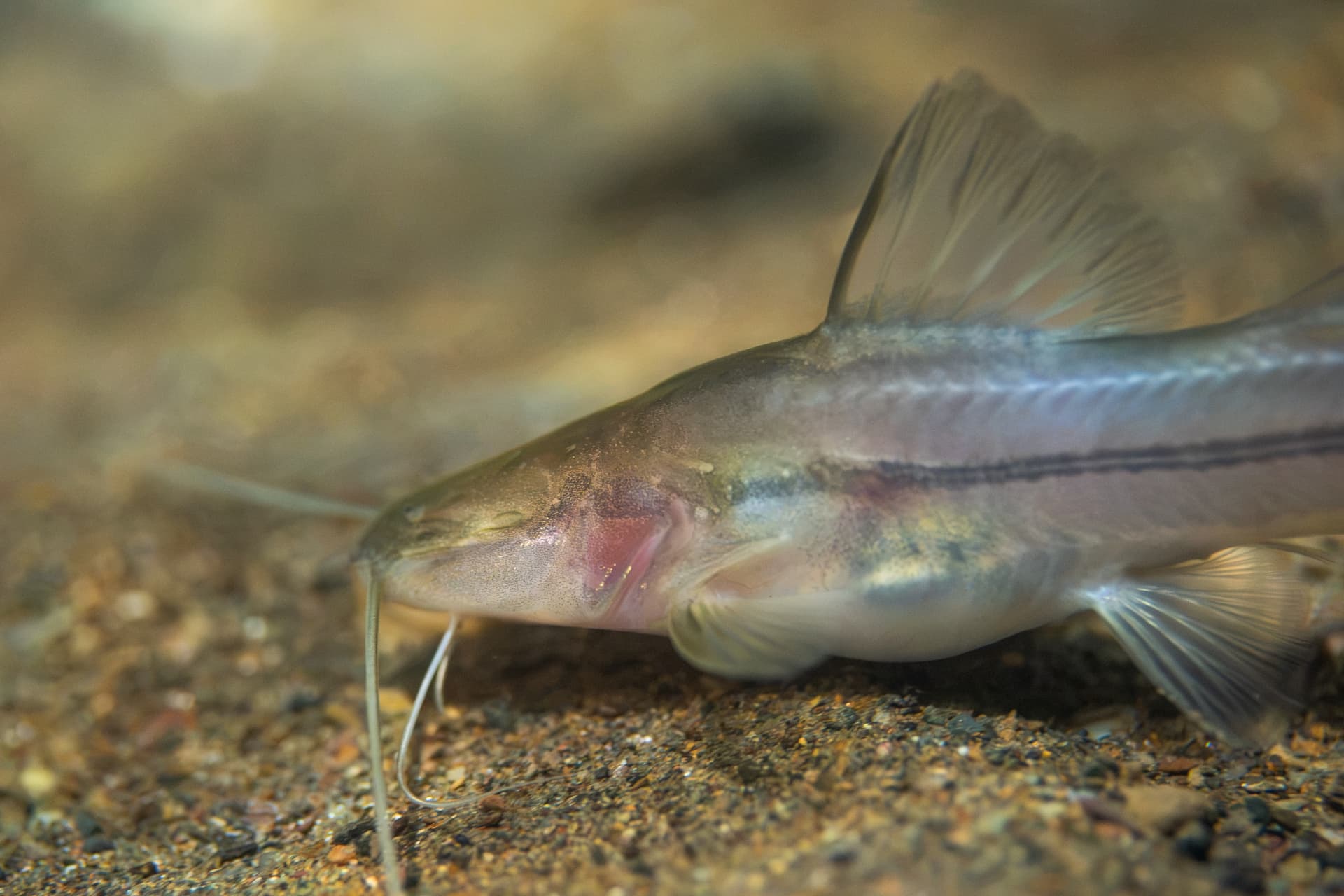
Five days. Sixty kilograms of gear through flooded passages and steep silt banks. Water at 16°C, humidity locked at one hundred percent. Long, cold stretches of stillness in the dark. Within ten minutes on the first day, the first P. kronei appeared out of the black — eyeless, depigmented, completely at ease. Cave apex predators don't startle easily. Over the days that followed, behaviours between and within species were documented in situ for the first time.
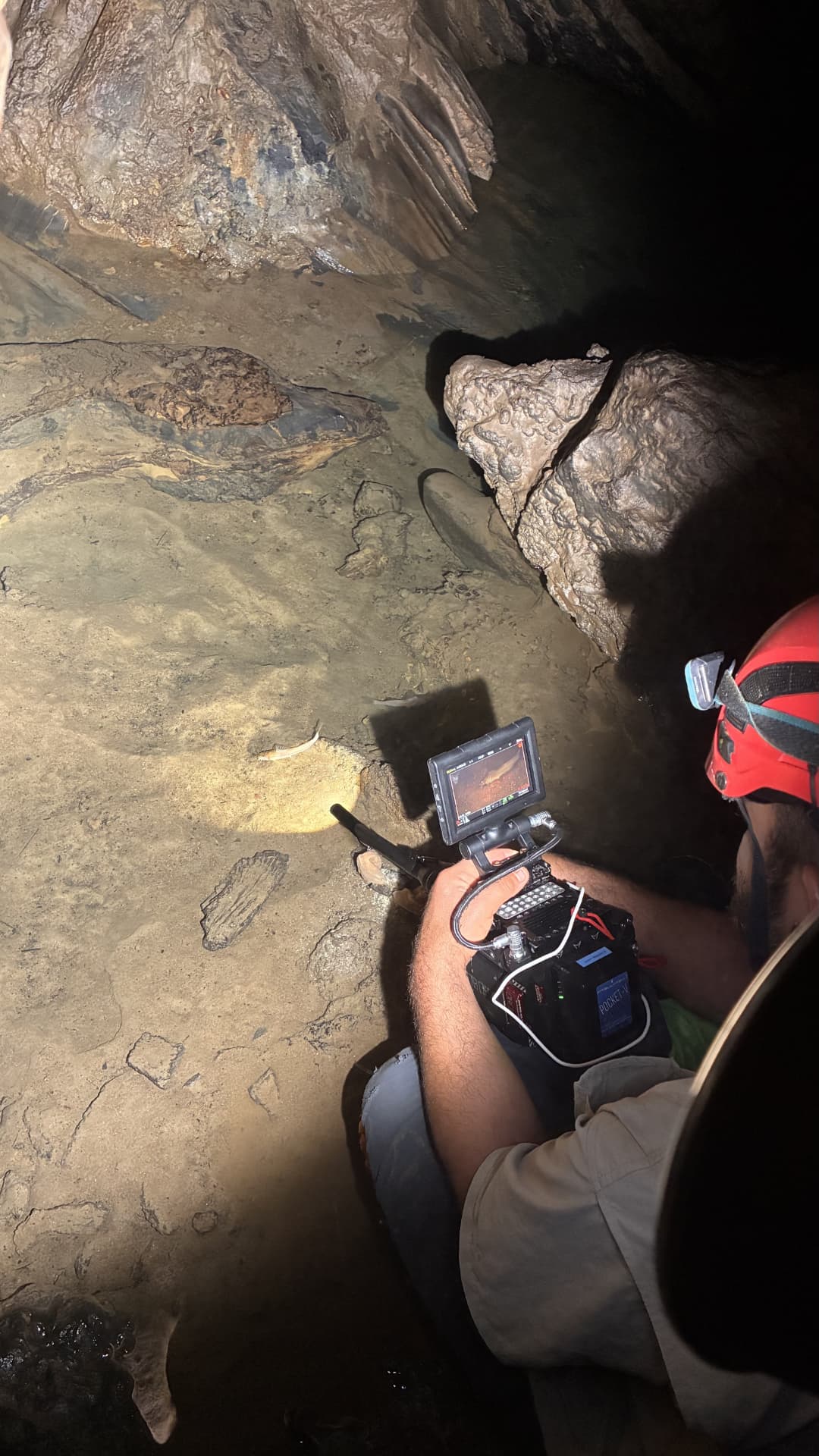
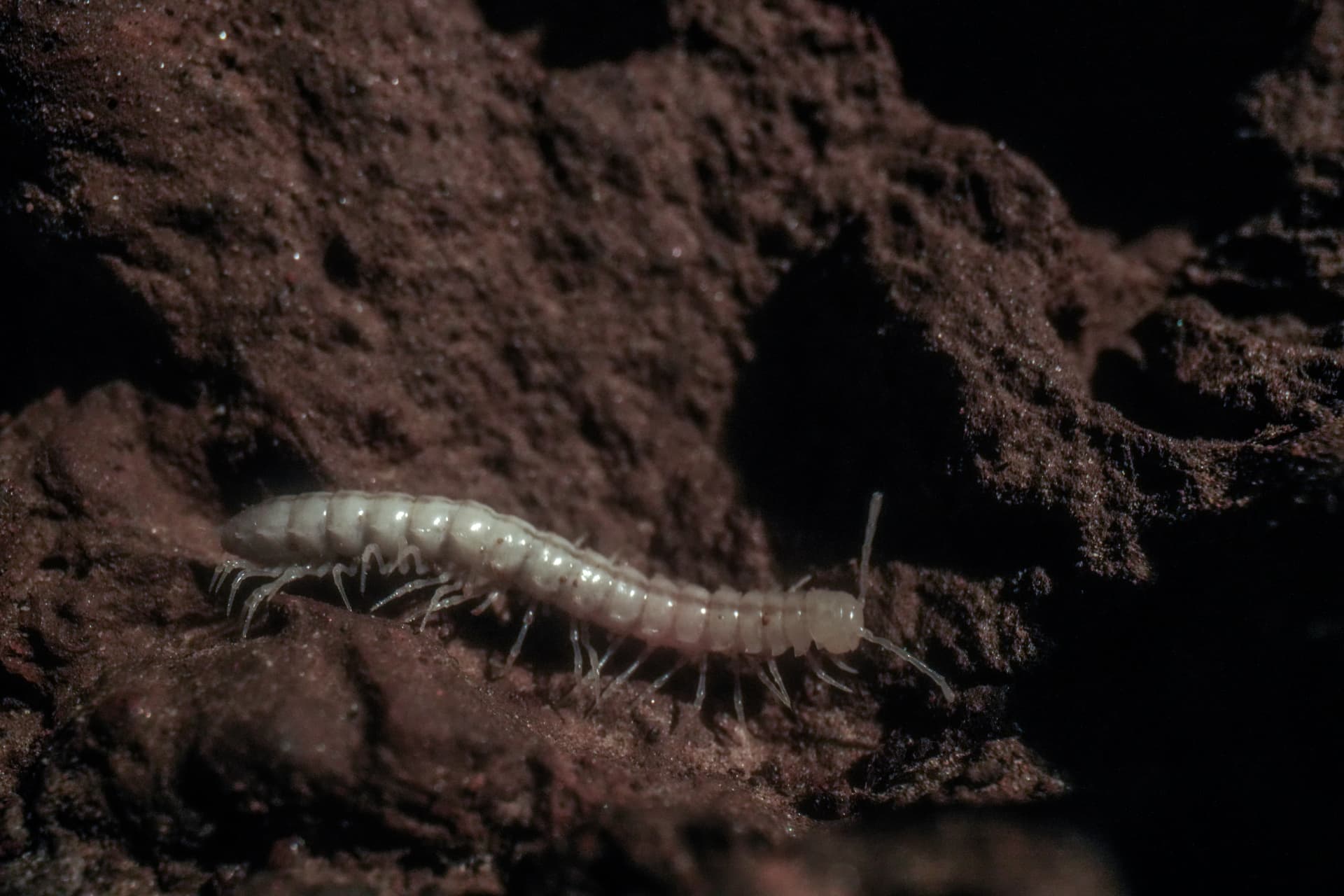
P. kronei is listed among the SHOAL 1,000 Fishes, a global initiative working to protect the world's most threatened freshwater species. Brazil's caves hold one of the richest subterranean fish communities on the planet — most of them endemic to a single system, most of them endangered before science even finished describing them.
This is the first chapter of a longer project — other caves, other rivers, other places where rare fish live largely unseen. Some gaps are worth closing.
A full feature on this expedition will appear in Tropical Fish Magazine.