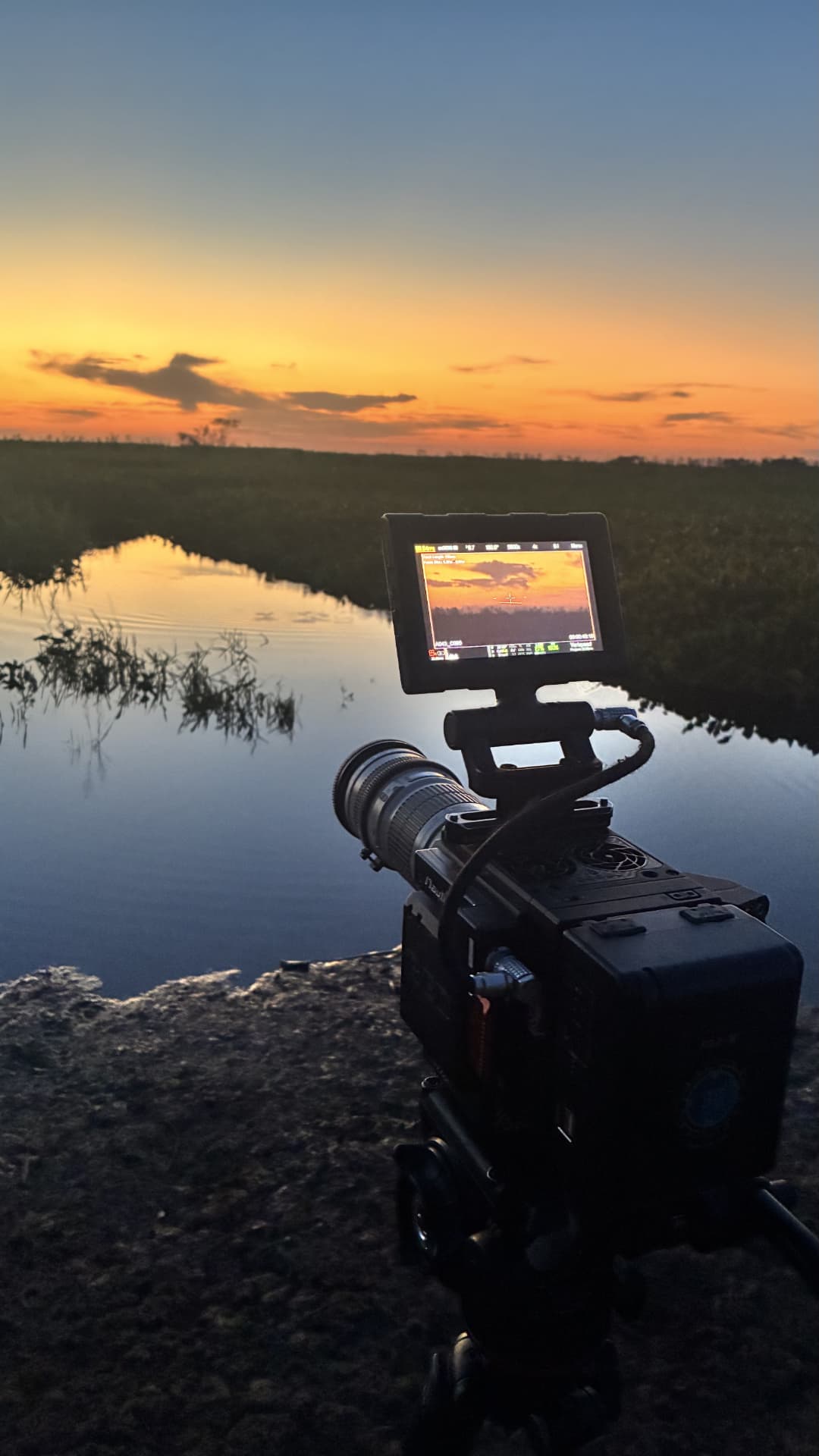
The Arrombado do Taquari is what happens when a river breaks its own banks and doesn't look back. Decades of upstream land use overloaded the Rio Taquari with sediment until it had nowhere left to go — so it redirected itself into the floodplain, permanently flooding farms and reshaping everything in its path. The ranches are gone. What remains is one of the largest continuous wetland stretches in Brazil, and one of the least documented.
Field notes
Field Notes — Arrombado do Taquari, Serra do Amolar, Pantanal
Field Notes — Western Pantanal wetlands, Brazil
May 1, 2026
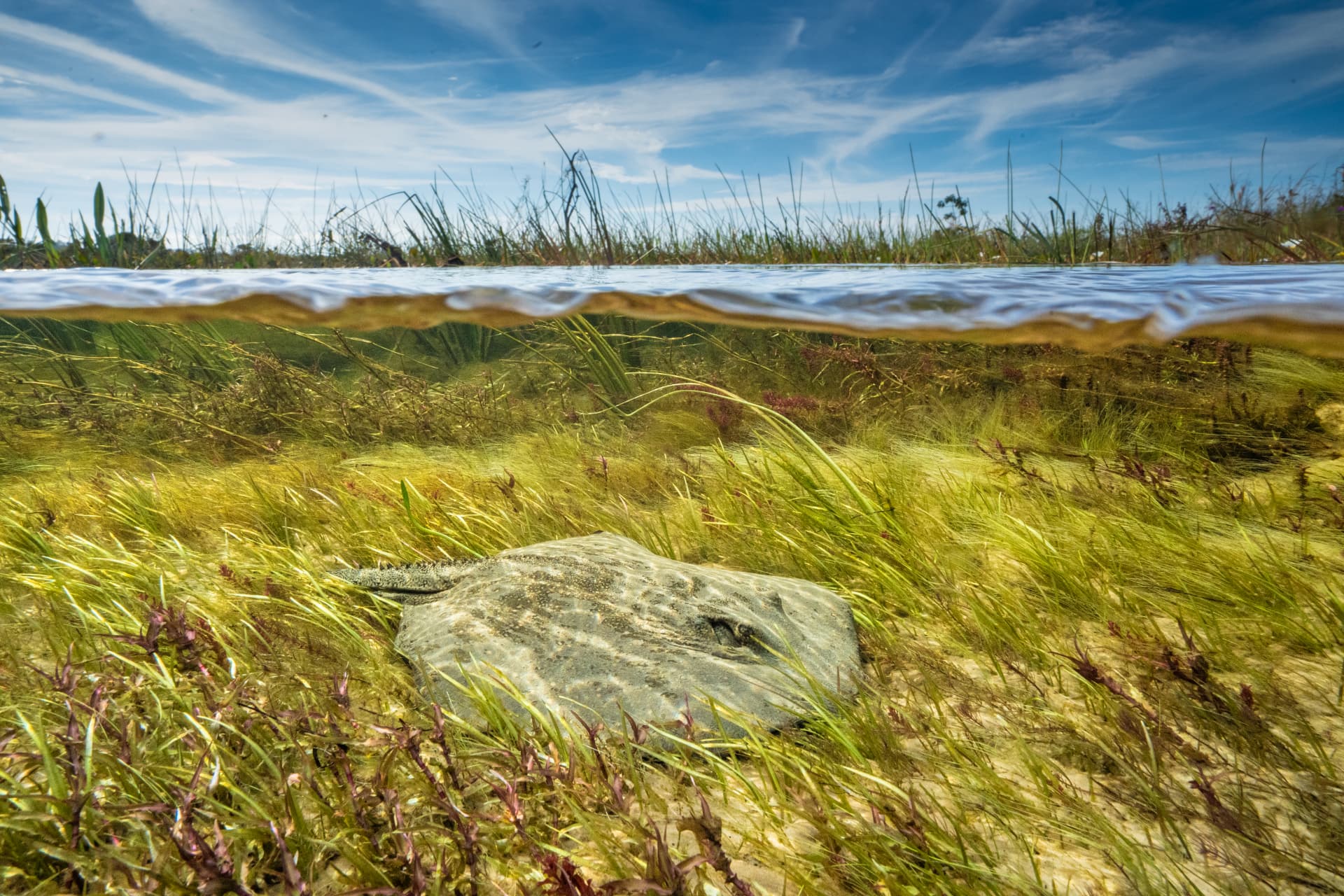
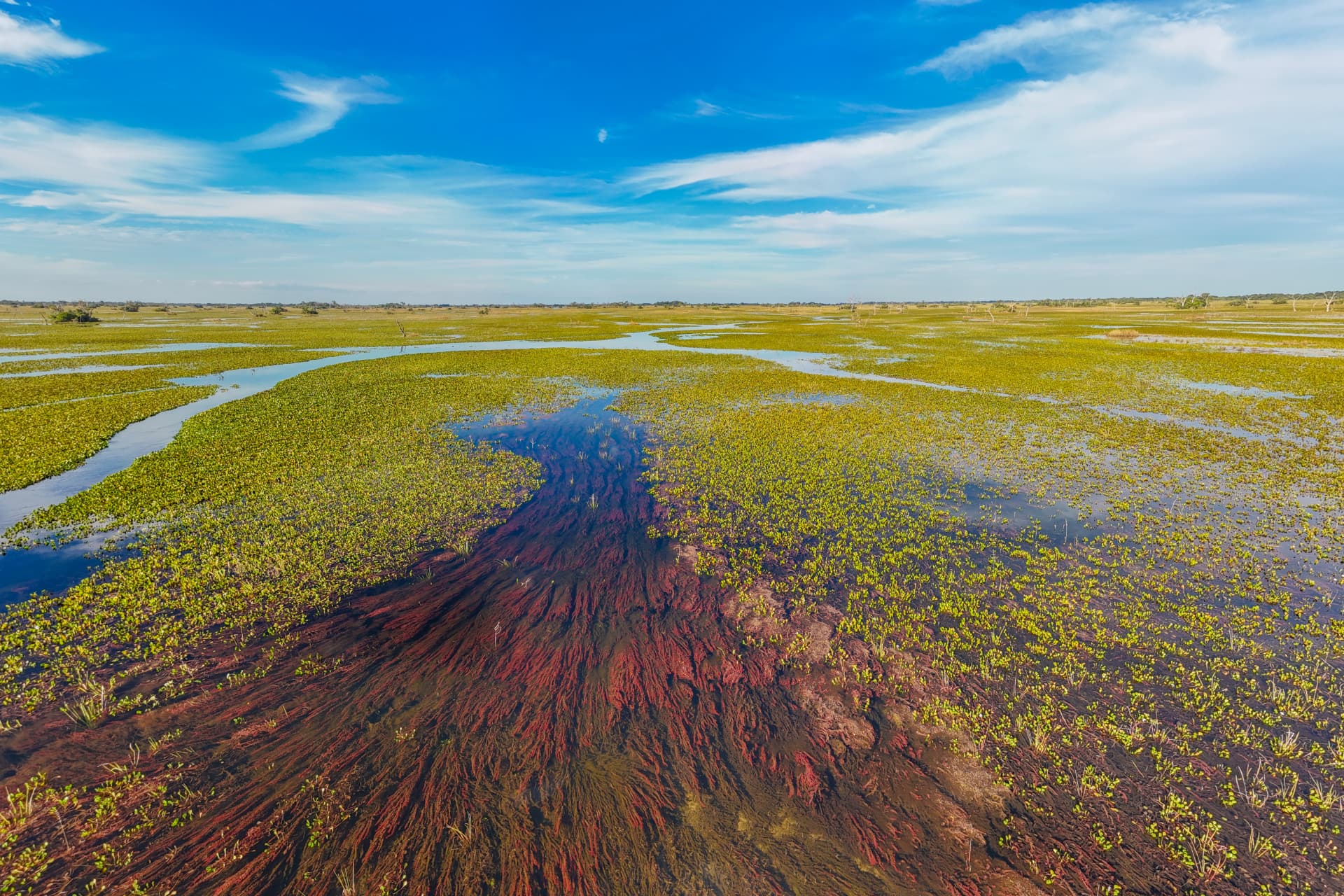
The Guató people navigated these channels long before the breach. Pantaneiro families are still adapting to what it left behind. That relationship — between the people and the water — is inseparable from why this place still functions the way it does.
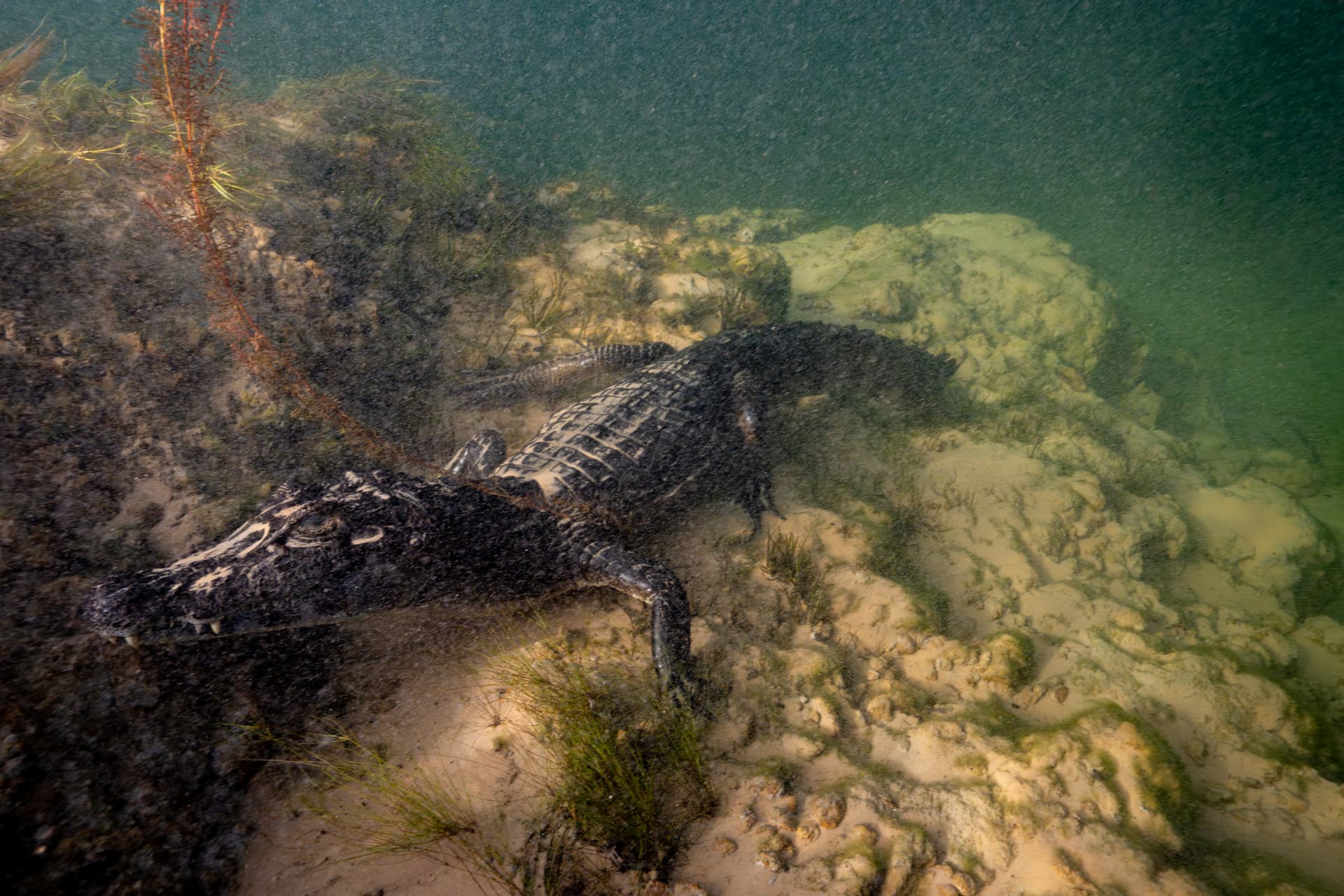
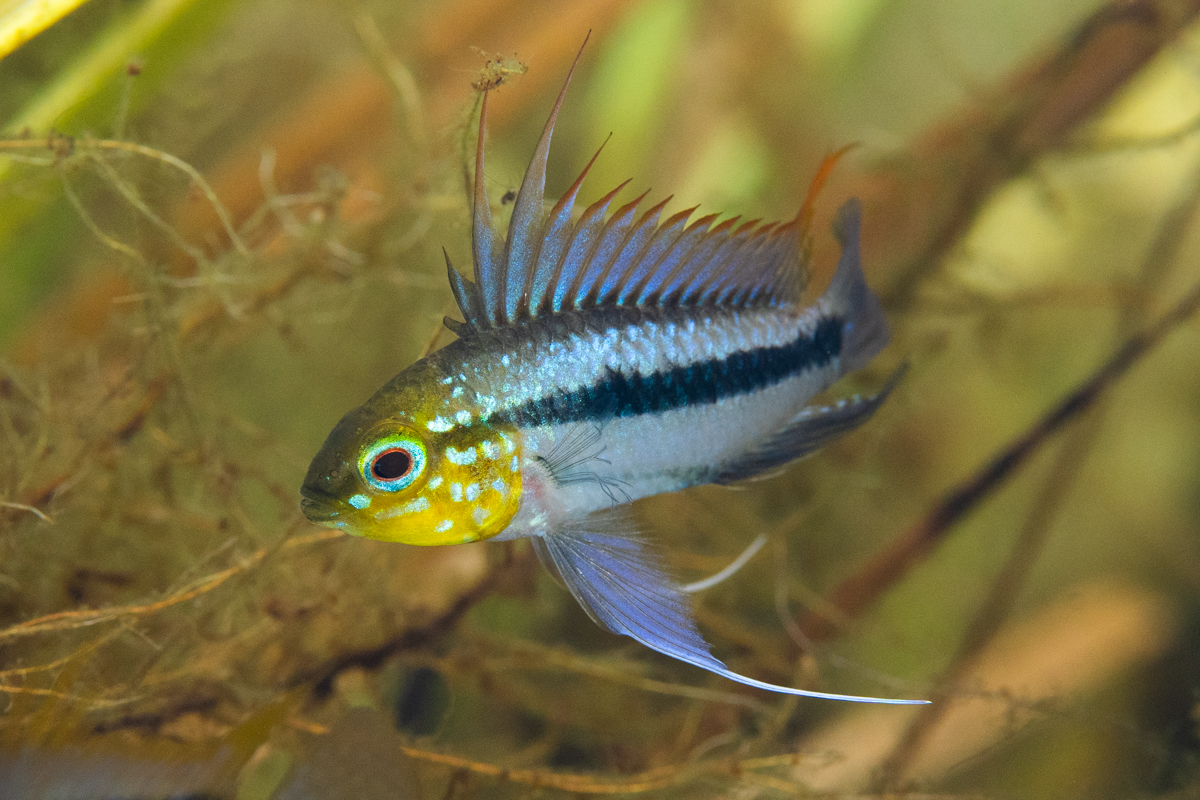
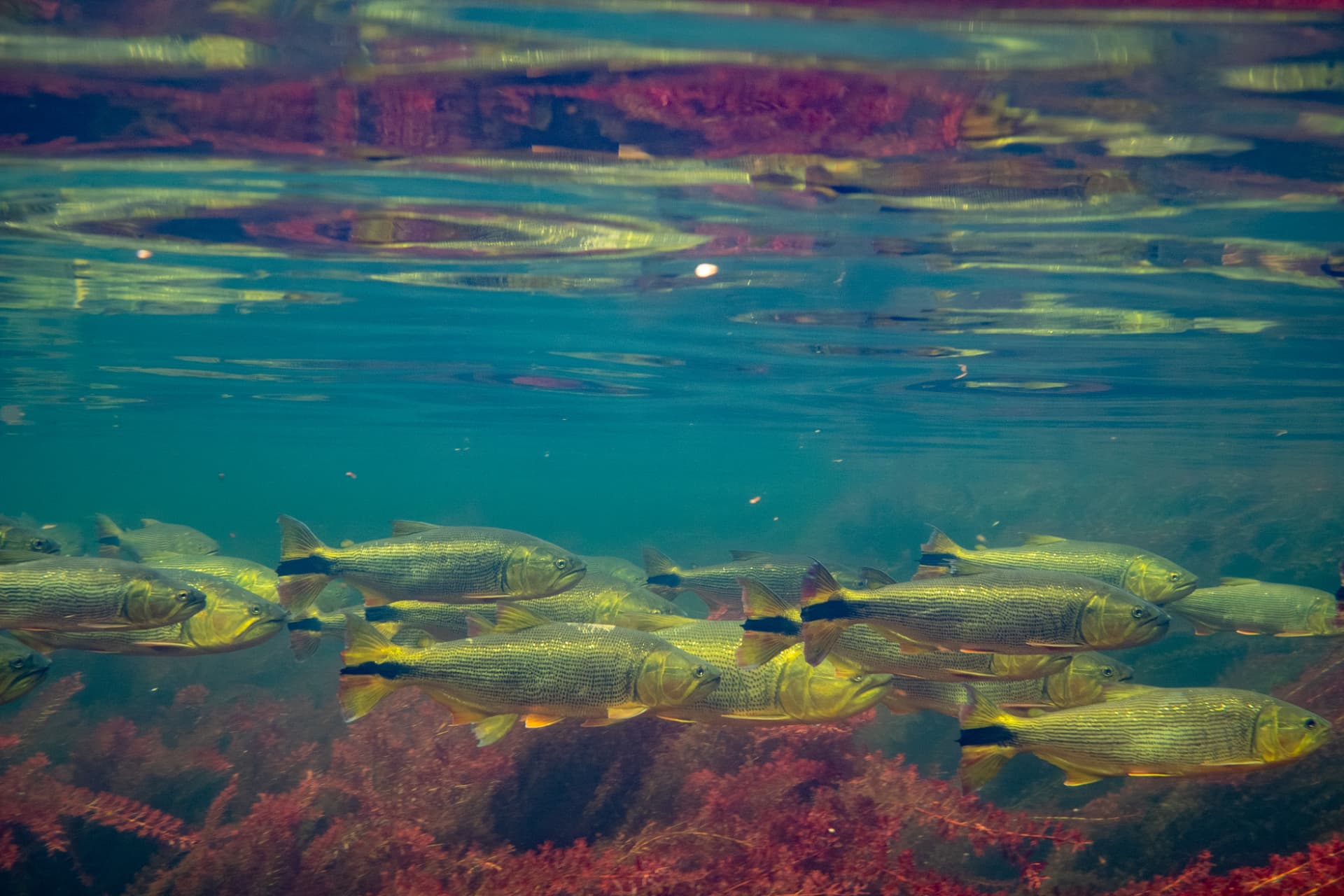
What the rupture created, unintentionally, is extraordinary: a corridor connecting the main river to spawning grounds far upstream, where fish concentrate in massive numbers during migration. The water is exceptional clarity. During the dry season, that clarity holds long enough to see everything.
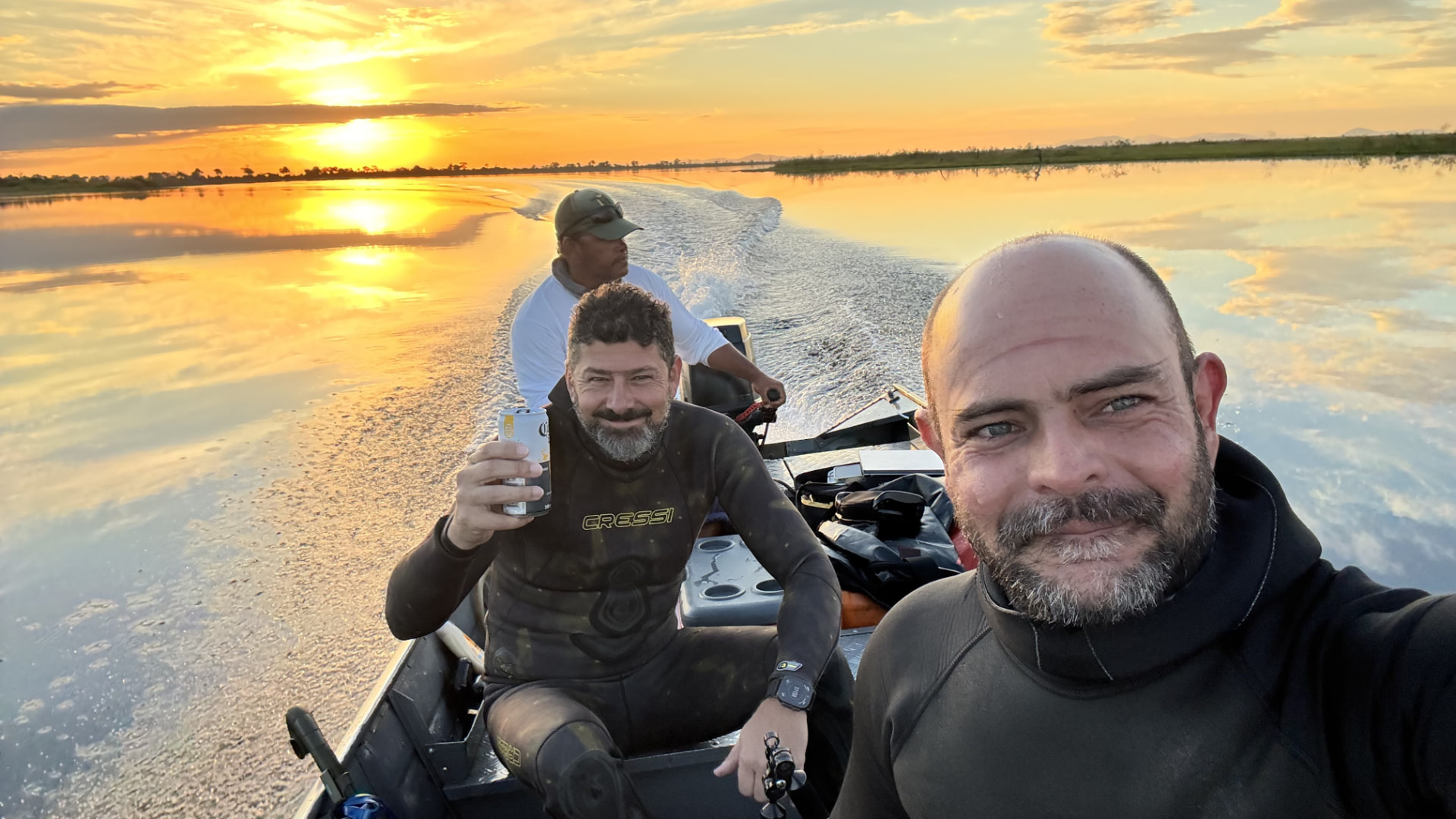
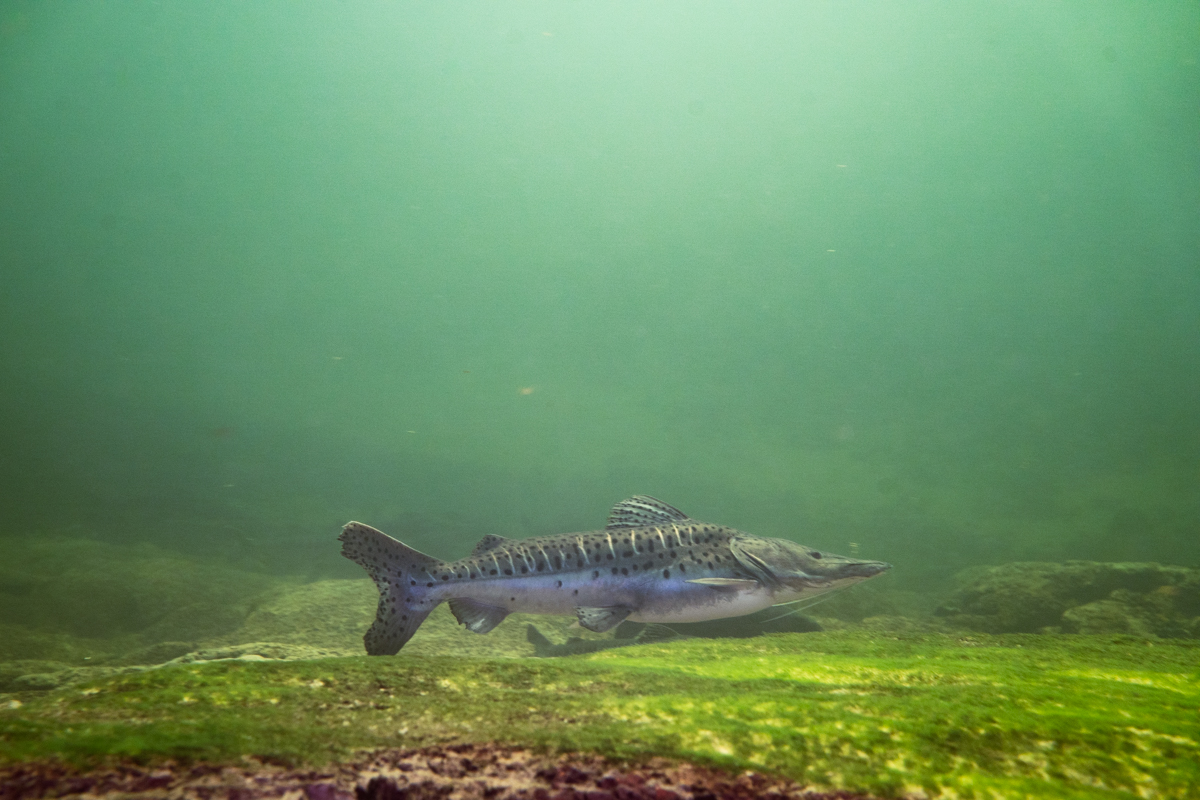
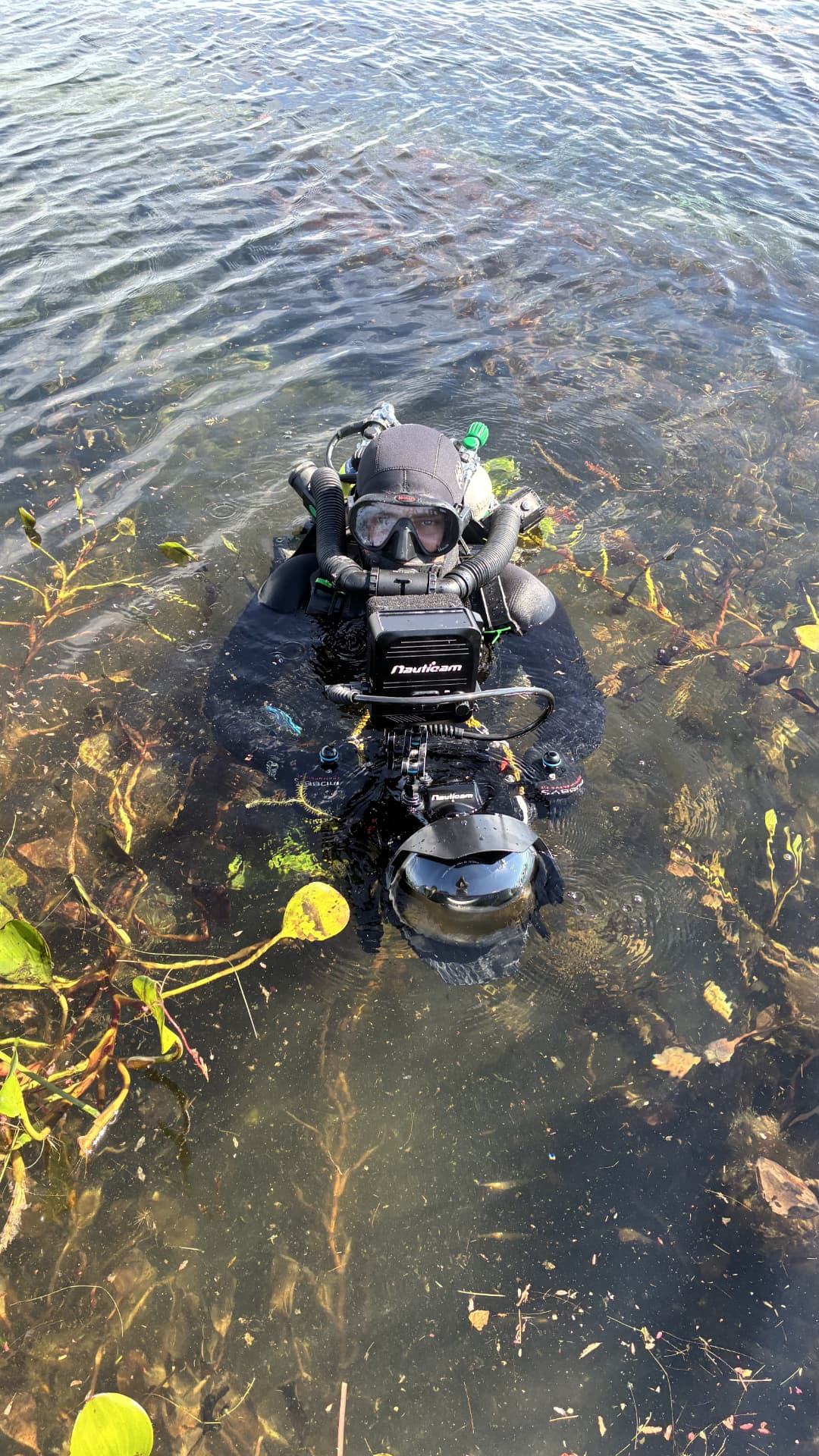
It was there — for the first time in this region — that we entered the water with a freediver. No scuba noise, no disturbance. Just visibility, and patience. What followed were encounters with species interactions that had never been recorded before: predators moving through underwater gardens, spawning aggregations working the corridor, behaviours that turbid river systems normally swallow whole.
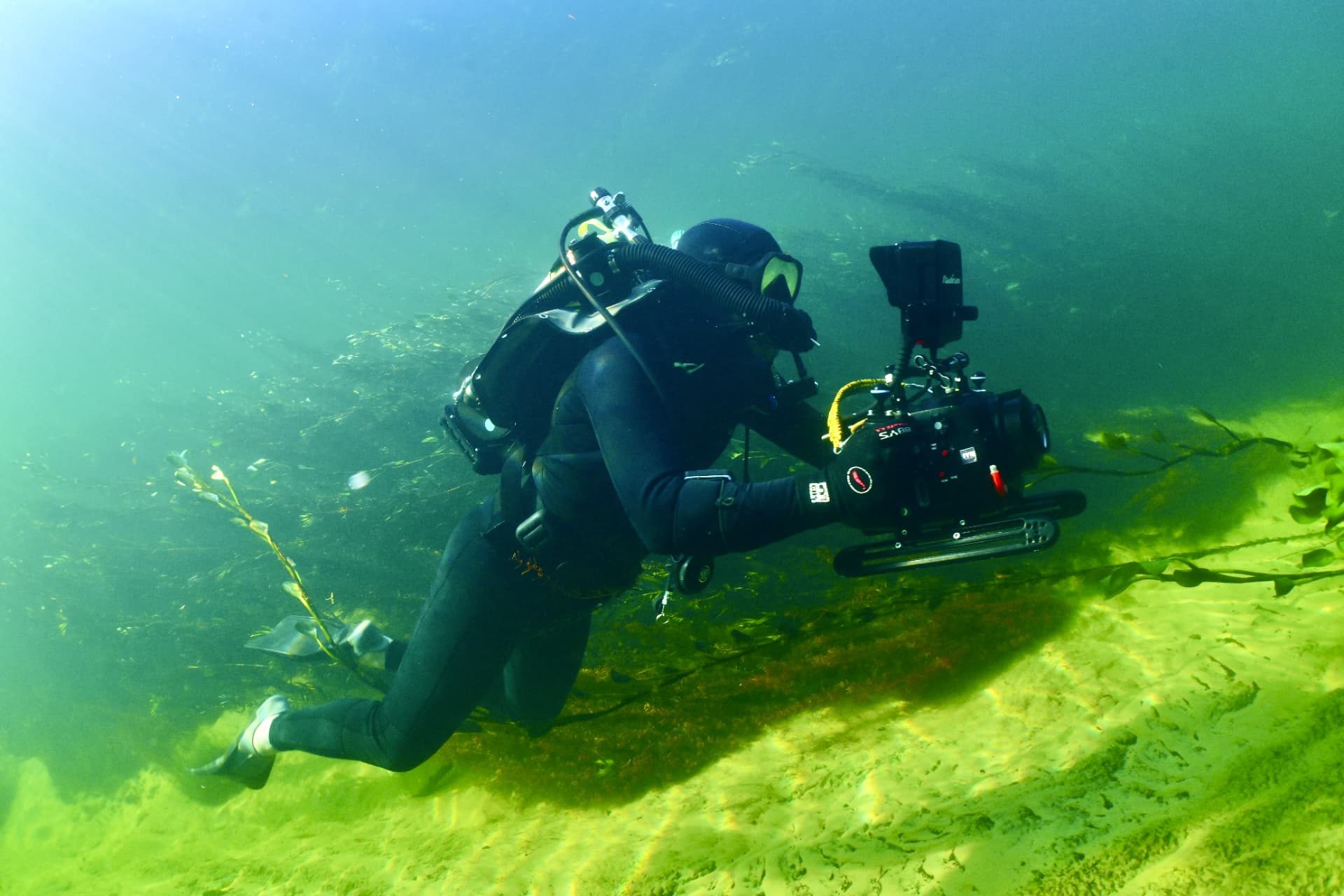
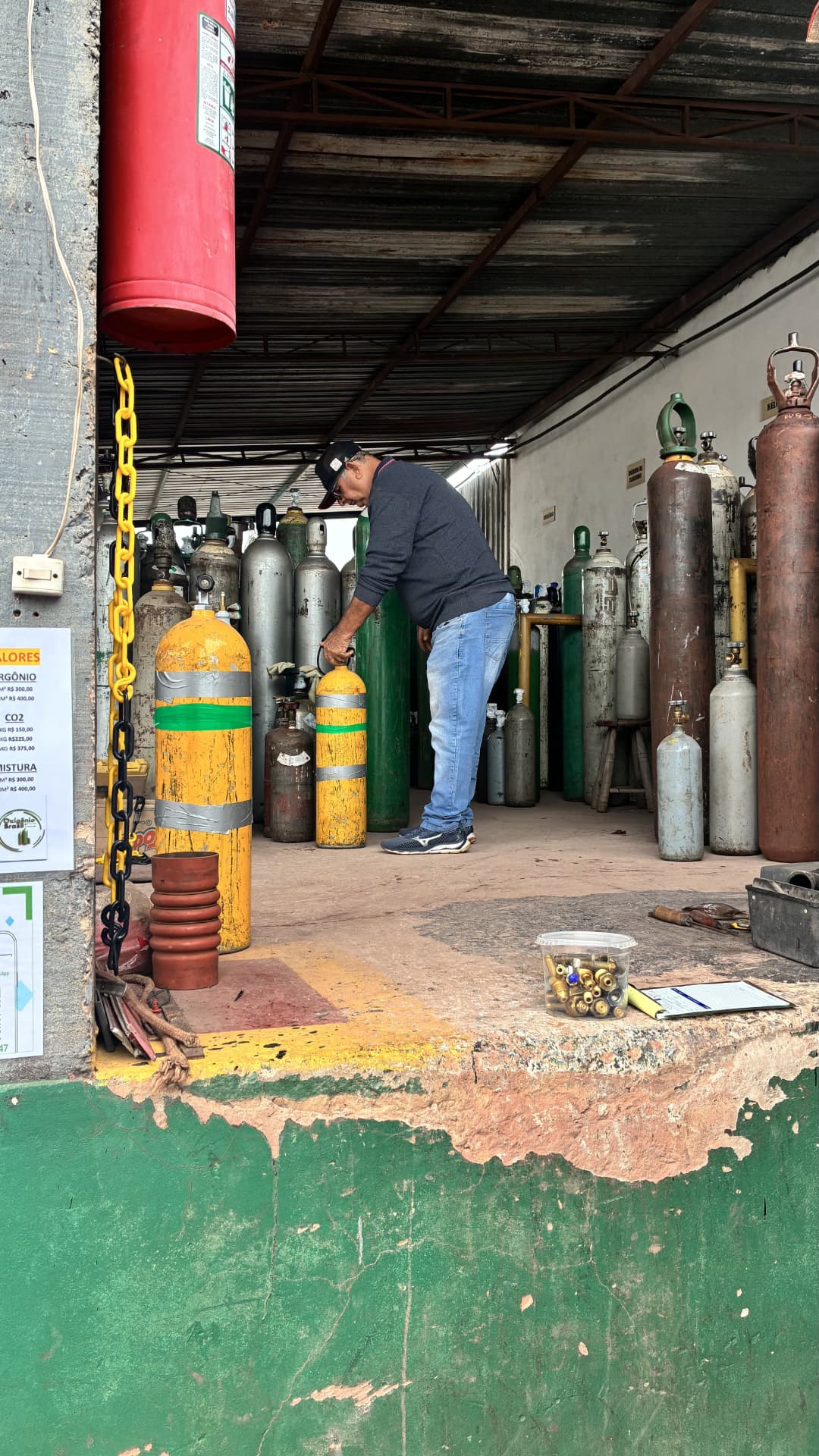
The Arrombado do Taquari is systemically critical to the Pantanal — a keystone stretch for fish populations that sustain both the ecology of the wetland and the communities that depend on it. And yet it remains largely unknown, sitting just outside the edge of the scientific record.
This is the second chapter of an independent, long-term project to document the regions, rivers, and species of Brazil that have rarely or never been photographed before. The first was a blind catfish in a cave in São Paulo. This one is open water, clear light, and giants moving through grass.
Get in touch for licesing images or learning more about the content produced here.